The Solitude of High Valleys: A Journey Through Dolomite Passes
Field Dispatch by Julian Vance
•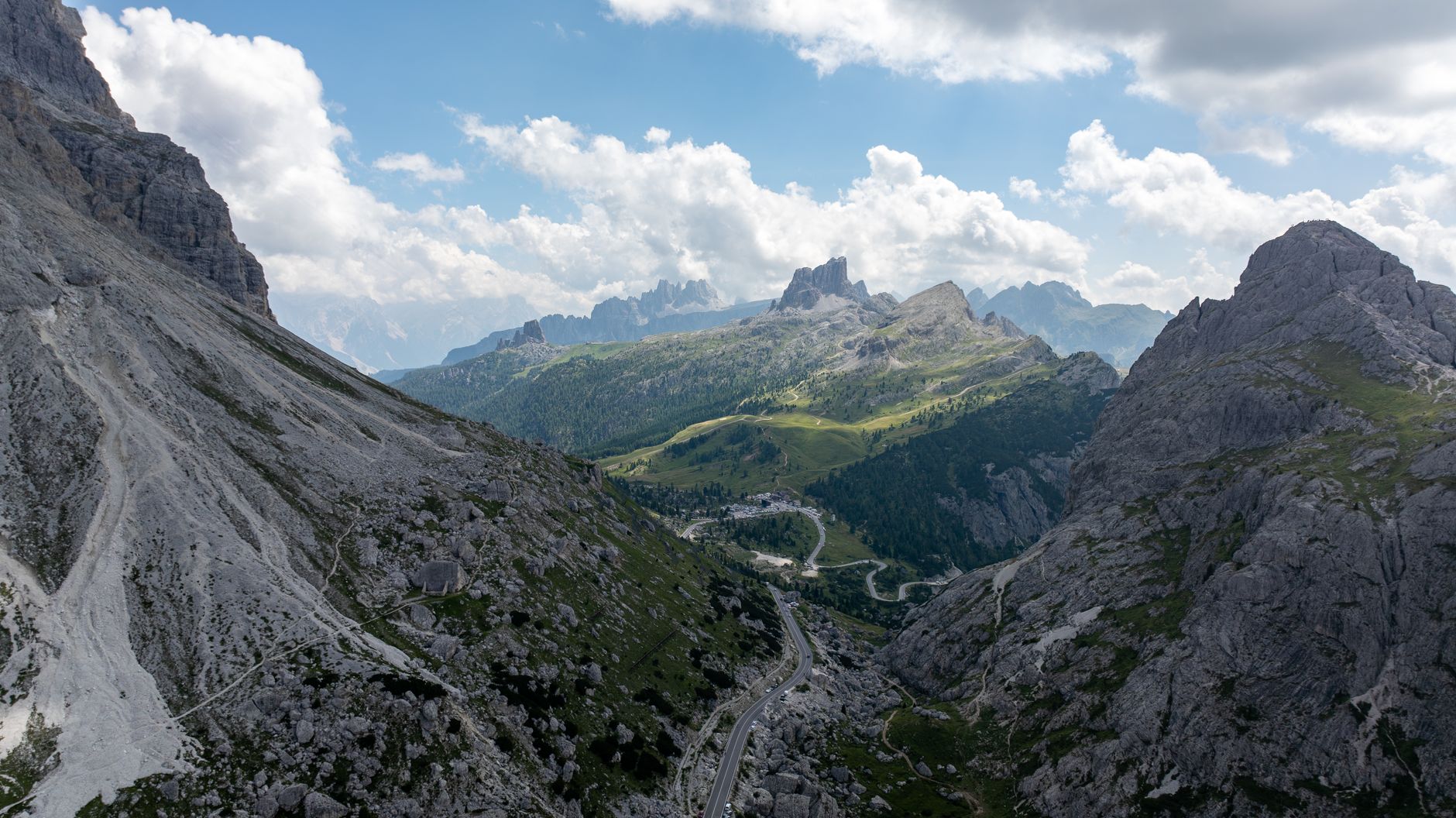
Dawn breaking over the limestone crests of Val di Funes, Italy.
To ascend into the pale stone amphitheaters of the Italian Alps in late autumn is to witness a landscape shedding its summer obligations. What remains is elemental: stone, wind, and the scent of drying larch needles.
The Shift in Air
Above eighteen hundred meters, sound behaves with unexpected clarity. Voices do not linger; the chime of a distant goat bell rings like silver struck against glass. Walking along the trails connecting the Passo delle Erbe with the northern face of the Sass de Putia, the traveler immediately notes how modern urgency dissolves under the sheer geometry of vertical cliffs.
For centuries, Ladin communities have inhabited these valleys, developing a culture shaped by geography. Their wooden barns, or viles, reflect communal sustainability and deep alignment with topography. Here, tourism has not replaced agrarian stewardship; rather, it exists as a quiet companion to seasonal haymaking and cattle grazing.
Mountain Refuges and Timeless Hearth
The rifugio network across the Dolomites remains one of the greatest legacies of European mountaineering. Unlike generic luxury resorts, these stone outposts offer authentic comfort grounded in communal respect. A warm bowl of barley soup (Gerstsuppe), rye flatbread, and butter churned hours earlier at a neighboring dairy provide sustenance after six hours on scree paths.
In the evenings, electricity is husbanded with care. Conversations around the masonry stove traverse mountaineering routes, weather barometers, and local legends of the kingdom of the Fanes. In an era saturated with ephemeral notifications, the presence of real fire and quiet companionship offers an enduring antidote.
The Discipline of Quiet
Why do we return to high elevations? It is not solely for panoramic photographs, but for the restoration of our internal compass. As dusk falls, the limestone walls turn an incandescent amber—a phenomenon known locally as enrosadira. It lasts barely twenty minutes before the deep navy of alpine night claims the sky.
Standing upon the ridge, one realizes that travel need not be an aggressive pursuit of destinations. It can simply be the patient act of paying attention.
“The mountain asks nothing of the traveler except reverence, careful footing, and a quiet spirit.”
— 111111 Field Journal, Alpine Ledger