Wind and Granite: Traversing the Untamed Reaches of Patagonia
Field Dispatch by Madeleine Sterling
•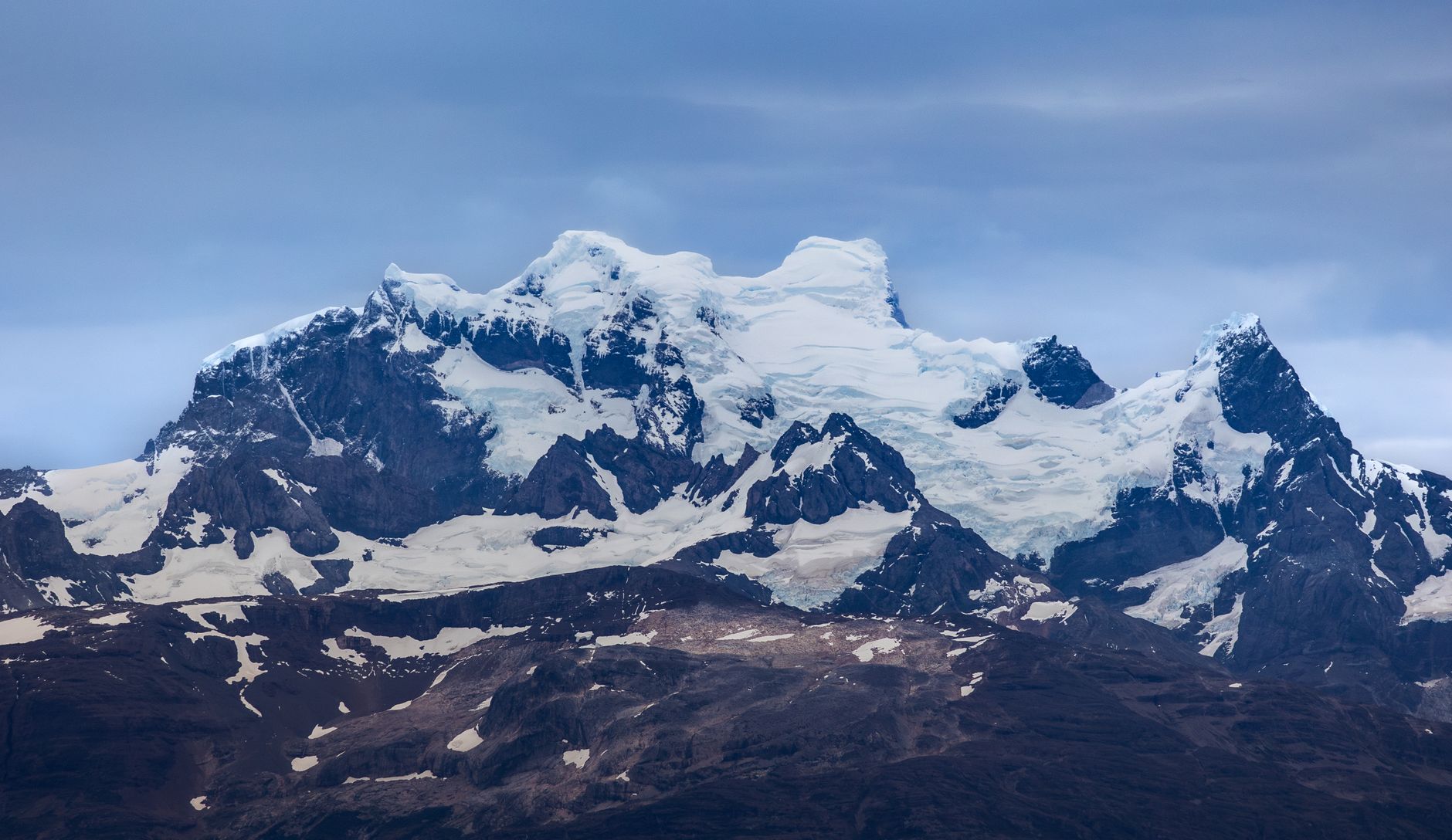
Towering granite spires reflected in turquoise waters of Chilean Patagonia.
Few landscapes test human ambition with the resolve of Southern Patagonia. Here at the terminus of South America, weather is not a background condition; it is the dominant narrator of all existence.
The Wind of the Steppes
Crossing from the Argentine pampa toward the massifs of Torres del Paine, the wind greets travelers with formidable force. Gale gusts exceed eighty kilometers per hour, stripping moisture from the soil and shaping lenga beech trees into dramatic, twisted sculptures known as flag trees.
Yet within this austerity thrives remarkable vitality. Herds of guanacos graze peacefully across undulating golden hills, while condors circle high thermals with barely a twitch of their two-meter wingspans.
Ancient Ice Fields and Resilient Waters
To stand before the Grey Glacier or the Perito Moreno is to encounter geologic time directly. Vast fields of millennia-old compressed ice radiate an eerie, incandescent cobalt blue. When a serac calves into the lake, the sound echoes across valleys like distant artillery.
Experiencing this scale leaves travelers with humility. In our cities, we engineer comfort and predict outcomes; in Patagonia, one learns to adapt to whatever the southern skies decree.
Conservation Frontiers
Patagonia stands today as one of the world's most vital conservation frontiers. Through dedicated national park donations and rewilding initiatives, vast estancias have been restored to natural migration corridors for pumas and endangered huemul deer.
Visiting these territories carries responsibility. By opting for low-impact lodges and zero-trace trekking, travelers ensure this raw sanctuary endures for future generations.
“Patagonia does not invite conquering; it demands surrender to scale and silence.”
— 111111 Americas Expedition Ledger