The Rhythm of Old Kyoto: Bamboo Groves & Ancient Tea Houses
Field Dispatch by Shun Tanaka
•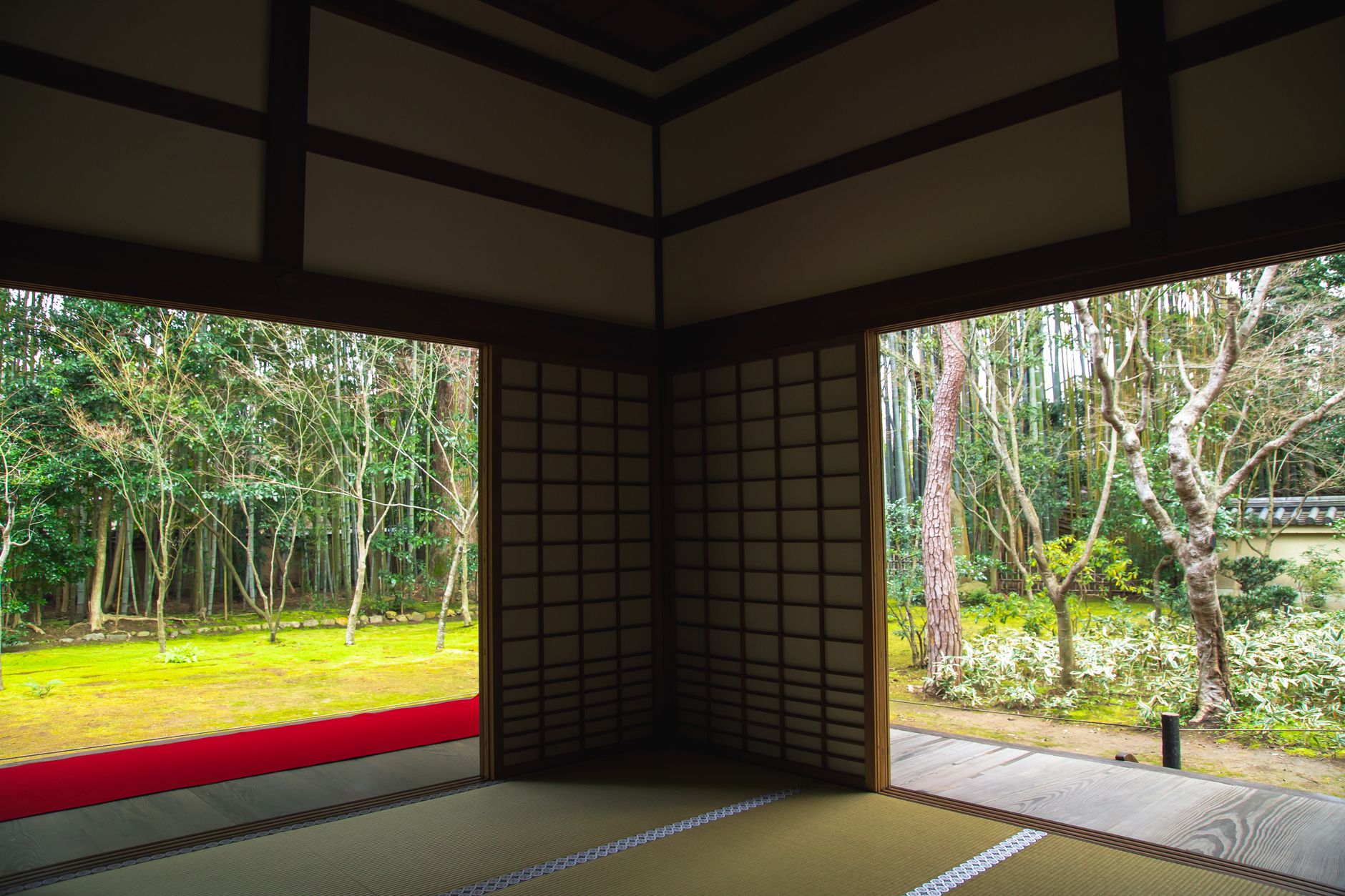
Morning mist drifting through the moss courtyards of northern Kyoto.
To step into Kyoto in early morning is to perceive a city operating under multiple centuries simultaneously. Long before commercial districts wake, the sound of water trickling into stone basins anchors the sensory landscape.
Architecture of Shadows and Tatami
In traditional machiya merchant houses, cedar beams and paper screens filter morning light into soft, indirect illumination. As Jun'ichirō Tanizaki observed in praise of shadows, Japanese domestic architecture discovers beauty not in dazzling brightness, but in gradations of dusk.
Walking along the cobblestones of Gion and the quieter lanes of Kamigamo, one realizes that true luxury here is acoustic: the rustle of sliding screens, the rake over stone gravel, and the absence of mechanical noise.
The Way of Tea as Philosophy
In an eight-mat tea room tucked behind a discreet bamboo lattice, we join a host who has practiced chado for four decades. The ritual is neither theatrical nor rigid; it is fundamentally an exercise in attentiveness. Every gesture—the wiping of the tea scoop, the whisking of green matcha into delicate jade foam—commands the full presence of host and guest.
"In the tea room," our host explains softly, "there are no social hierarchies, no urgency, and no past. We celebrate ichi-go ichi-e—this singular encounter that will never repeat in identical form."
Kaiseki Micro-Seasons
Kyoto cuisine (Kyo-ryori) does not observe four seasons, but rather seventy-two micro-seasons dictated by lunar calendars. A single meal reflects the precise week: baby sweetfish swimming among decorative river stones, freshly harvested mountain yams, and broth scented with wild yuzu peel.
The craft required to produce these meals is passed down across generations. To dine here is to support a living continuum of potters, lacquerware artisans, and family farmers who sustain Japan's culinary soul.
“To understand Kyoto is to surrender the desire for speed and cultivate gratitude for the subtle.”
— 111111 Cultural Journal